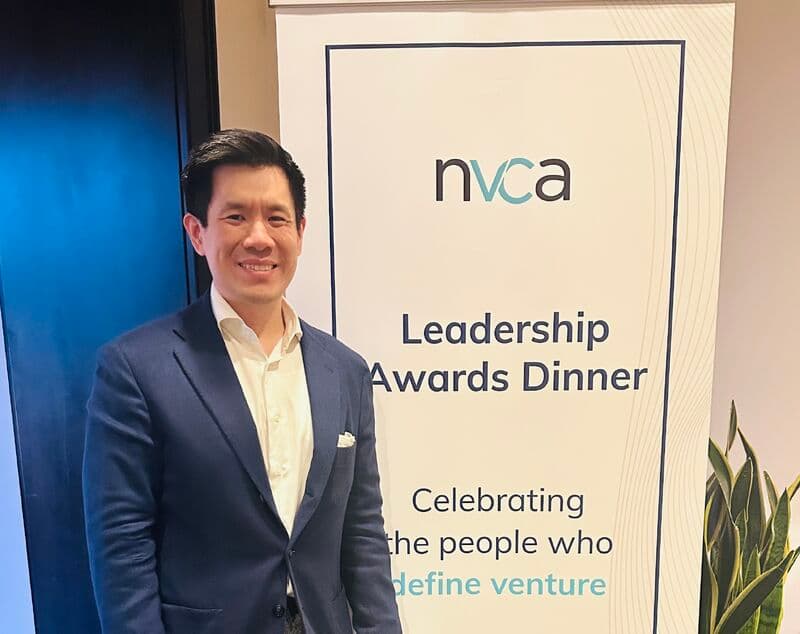
What stuck with me from yesterday's National Venture Capital Association Healthcare Advisory Committee: Chinese AI scrapes the USPTO every Thursday to copy and design around newly-published US biotech patents.
The 18-month publication rule came in 2000 as a harmonization with the rest of the world. Reasonable then. In 2026, it's a feed for foreign AI running continuous design-around analysis. Originators are racing biology against scrapers.
A few things kept coming up that few are writing about publicly.
→ FDA throughput. Real concerns about staffing, leadership turnover, and RFIs going out without enough detail. The variance of FDA review is itself a competitiveness issue, separate from the science.
→ Brain drain. With big pharma cutting record China BD deals, what leaves with the capital is not just scientists. It is the operating spine - trial design, regulatory know-how, executive bench - built over fifty years.
→ Med device reimbursement. The most real policy momentum I have seen in a lane that has been stalled for years. Worth tracking carefully.
The harder question underneath: US biotech competitiveness in 2026 is not about how much capital is available. It is about whether the regulatory pace, the policy environment, and the operating talent can keep up with the science the capital is funding.
The big structural shift: bipartisan support for US biotech competitiveness in Congress now, anchored by the National Security Commission on Emerging Biotechnology's work. That posture did not exist two years ago. It matters more than most individual policy fixes will.
Brook Byers cohosted the discussion at Kleiner Perkins, where he has been at this since Genentech.
What he helped build over fifty years takes the same intent to defend. Our Committee spent yesterday getting clearer on what needs to happen. The next step is engaging Congress with the same focus.
Thanks to Ashlyn Roberts and NVCA for their leadership in convening yesterday's discussion.
5.8K views · 115 engagements
View on LinkedIn