LinkedIn·
The Real Value of AI in Biotech Is Not Faster Drug Discovery
Jeffrey Low, MDView on LinkedIn
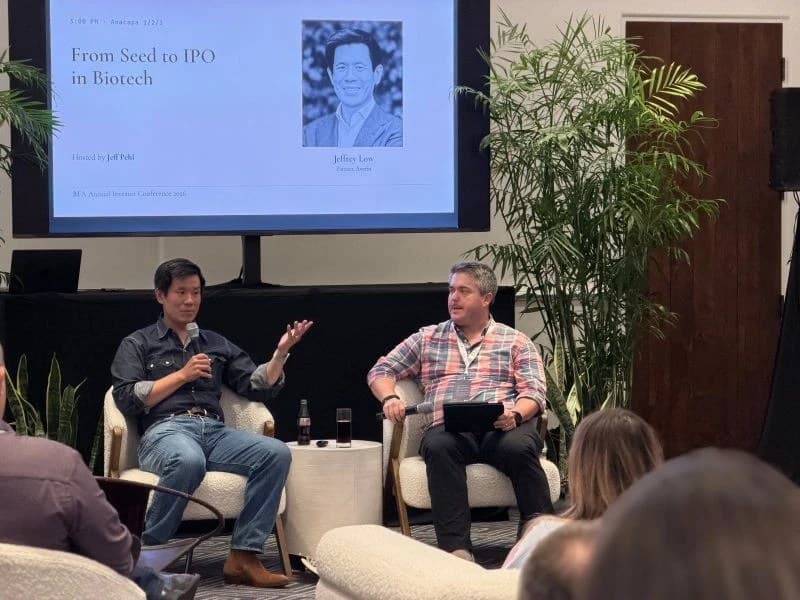
The real value of AI in biotech is not faster drug discovery. That was the one idea I wanted a room of family offices from Australia and Asia to leave with when I spoke at BFA New Frontier two weeks ago. Speed is nice. But most drugs don't fail because we found the molecule too slowly. They fail because we made the wrong biological or clinical bet, then spent hundreds of millions of dollars finding out. That is where the money is, and clinical trial design is the biggest near-term prize.
We have a company where rethinking the trial design around what the data actually supports cut the path to approval to a fraction of what the conventional plan called for. That is not an efficiency gain. That is the difference between a company that exists and one that doesn't.
Here is the catch. If your AI is good at predicting whether a specific asset's trial will succeed, selling that prediction as a service to pharma will not produce a venture-scale outcome. The value accrues to whoever owns the asset. You have to own the asset, or a piece of it.
Which leads to the part I keep coming back to: today's late-stage consensus is leaving the next wave of non-consensus, early-stage companies underfunded. That is the gap we are building Averin around.
Thanks to Jeff Pehl for hosting both of my sessions and to Kristin Baker Spohn for a great conversation on the future of healthcare. Her Viz.ai story on what finally got software adopted in clinical workflows deserves its own post. And thanks to Gavin Ezekowitz and the BFA Global Investors team for a fantastic event, western theme included. I committed to the denim.
Curious whether the biotech and AI folks here see it the same way, or if I'm underrating speed.
11.0K views · 207 engagements
View on LinkedIn