LinkedIn·
An Investor Walked Away From His Best-Performing Bet. He Called It Luck.
Jeffrey Low, MDView on LinkedIn
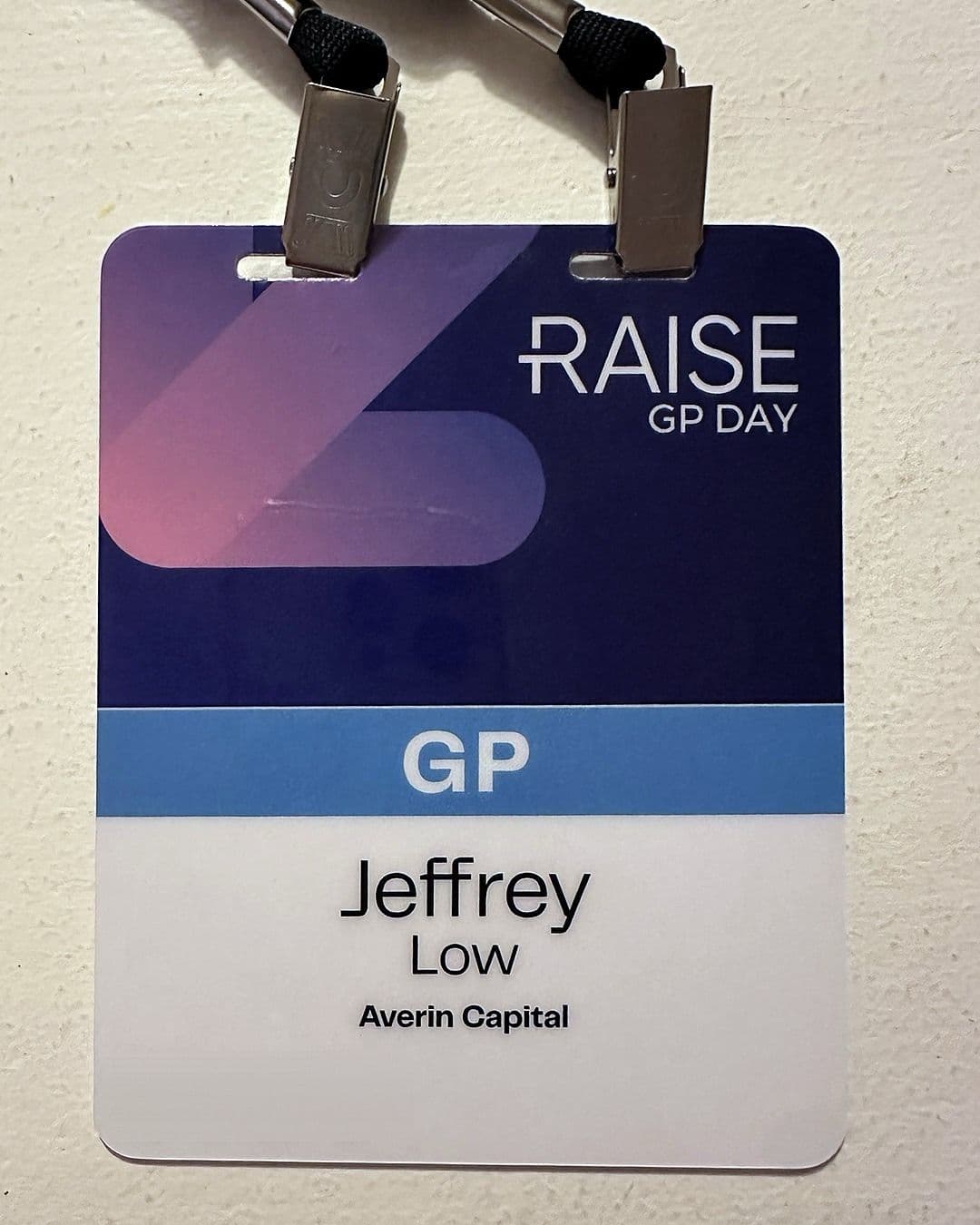
An investor told me why he walked away from his best-performing bet.
If you're raising money, your investors are asking the same question about you.
His firm concluded the returns were luck, and luck doesn't reliably repeat.
I heard it at RAISE Global GP Day this week. He invests in venture funds, and his top performer came back to raise again. He passed.
It sounds harsh, but LPs run this test on fund managers and VCs run it on founders. They have to decide before the proof arrives. A venture fund takes about 7 years to return its capital in cash, and managers raise every 2 to 2.5 years. Investors price a Series A on a few quarters of traction.
I've faced this question from the investor side. One of my best deals was a bet on a founder, and my partners asked how we knew his last success wasn't luck.
His history answered it. In his previous companies, plan A failed. He pivoted, and plan B became a big success.
Anyone can get lucky once. Finding plan B after plan A fails takes skill.
We backed him. Plan A didn't work out as planned this time either, but plan B was spectacular again.
Investors back your future. Your past only counts as evidence you can do it again.
If you're raising, explain why your last success happened and which of your decisions drove it.
Founders and LPs: what's the earliest signal you trust that a track record reflects skill?
1.6K views · 26 engagements
View on LinkedIn